-
Courses

Courses
Choosing a course is one of the most important decisions you'll ever make! View our courses and see what our students and lecturers have to say about the courses you are interested in at the links below.
-
University Life

University Life
Each year more than 4,000 choose University of Galway as their University of choice. Find out what life at University of Galway is all about here.
-
About University of Galway

About University of Galway
Since 1845, University of Galway has been sharing the highest quality teaching and research with Ireland and the world. Find out what makes our University so special – from our distinguished history to the latest news and campus developments.
-
Colleges & Schools
Colleges & Schools
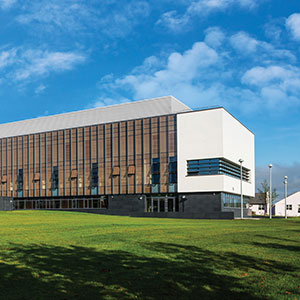
University of Galway has earned international recognition as a research-led university with a commitment to top quality teaching across a range of key areas of expertise.
-
Research & Innovation

Research & Innovation
University of Galway’s vibrant research community take on some of the most pressing challenges of our times.
-
Business & Industry
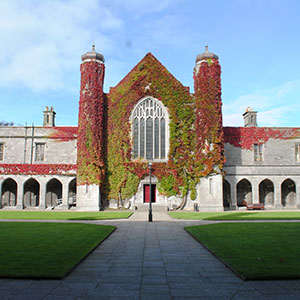
Guiding Breakthrough Research at University of Galway
We explore and facilitate commercial opportunities for the research community at University of Galway, as well as facilitating industry partnership.
-
Alumni & Friends

Alumni & Friends
There are 128,000 University of Galway alumni worldwide. Stay connected to your alumni community! Join our social networks and update your details online.
-
Community Engagement
Community Engagement
At University of Galway, we believe that the best learning takes place when you apply what you learn in a real world context. That's why many of our courses include work placements or community projects.
 Accessibility & Language
Nursing: Acute Medicine (MHSc/PDip)


Postgraduate Diploma/Master in Health Sciences (Acute Medicine)
College of Medicine, Nursing & Health Sciences, School of Nursing and Midwifery- Title of Award
- Postgraduate Diploma/Master in Health Sciences
- Course Code
- MHSC-AMED
- Average Intake
- 10
- Delivery
- Blended Learning
- NFQ
- Level 9
- Award Type
- Major
- Next Intake
- September 2026
- Duration
- 1 year, full-time (PDip) / 2 years, full-time (MHSc)
- ECTS Weighting
- 60 PDip / 90 MHSc
Why Choose This Course?
Course Information
Who is this course for?
Are you a registered nurse working in an acute medical environment and ready to take the next step in your career?
The Postgraduate Diploma in Nursing (Acute Medicine) is designed to enhance your clinical expertise and support your professional development within today’s fast-paced acute care settings.
This programme meets the educational needs of nurses working in Acute Medical Units (AMU), Acute Medical Assessment Units (AMAU), Medical Assessment Units (MAU), short-stay units, or equivalent areas that provide care for patients with acute medical conditions. You will build on your existing knowledge and skills to deliver safe, evidence-based, and patient-centred care in acute medical practice.
Clinical learning is a core component of the programme. Students complete their clinical practice in an approved healthcare setting within Ireland - typically their current workplace. In some cases, additional placements may be required to ensure that all programme learning outcomes are achieved.
Through a blend of academic study and practical experience, this programme prepares nurses to take on advanced clinical and leadership roles within acute medicine - making a real impact on patient care and outcomes.
What will I study?
Programme Structure
The Postgraduate Diploma in Nursing (Acute Medicine) is designed to build advanced clinical, academic, and leadership skills through a combination of core and specialist modules. The programme provides a strong foundation in evidence-based practice and quality improvement, while offering focused expertise in the care of acutely ill patients.
Students will complete three core and three specialist modules in the first year (60 ECTS). Eligible students will then complete a research dissertation (30 ECTS) in the second year.
Core Modules
- Advanced Research Methods - Develop the skills to critically evaluate research and apply evidence-based knowledge to clinical practice.
- Service Improvement - Learn how to identify, plan, and implement effective changes that enhance the quality of care and patient outcomes.
- Clinical Governance - Gain a deep understanding of accountability, patient safety, and quality systems within healthcare organisations.
Specialist Modules
- Recognising and Responding to Client Deterioration - Strengthen your ability to identify and manage patient deterioration in acute care settings.
- Principles and Practice of Acute Medical Nursing - Explore the key concepts, interventions, and best practices underpinning acute medical care.
- Advanced Health Assessment - Develop advanced assessment and diagnostic reasoning skills to support clinical decision-making in complex cases.
Year 2 (Master’s Progression)
Students who wish to progress to a Master’s degree can continue into Year 2, completing a Research Dissertation that allows them to investigate an area of professional interest and contribute to the advancement of nursing knowledge and practice.
Structured Clinical Placements
Students complete supervised placements in recognised healthcare institutions, enabling the integration of advanced theoretical learning with applied perioperative practice.
- Enhanced Employability - graduates acquire specialist knowledge and competencies that support career progression within acute nursing in both national and international contexts.
- Distinctive Curriculum Design - a carefully balanced combination of core and specialist modules ensures both comprehensive coverage and focused expertise relevant to acute care.
- Collaboration with Industry Partners - programme content is informed by consultation with healthcare providers to reflect contemporary standards, service needs, and best practice developments.
- Development of Advanced Competencies - emphasis on complex technical skills, critical decision-making, and leadership capabilities required for advanced clinical roles.
- Research and Evidence-Based Application - students are trained to critically evaluate and apply research evidence, supporting innovation and quality improvement in acute care.
- Integration of Real-World Practice - clinical competency assessments are directly linked to practice performance, ensuring academic achievement corresponds with professional capability.
This programme is particularly significant as the 2010 Report of the National Acute Medicine Programme (AMP) suggests a new approach to education and training with the development of acute medicine as a specialty for physicians, nursing and therapy professions.
It further suggests that these nurses must consolidate and expand their knowledge and skills to meet the need for early detailed assessment and development of initial treatment plans, (HSE, 2010). In the future, there may be a demand for clinical nurse specialists and advanced nurse practitioners working in acute medicine, and graduates of this programme will be ideally placed to apply for these types of positions.
Where you’ll go: Students undertake placement in their own clinical work environment where appropriate. Students undertake their clinical practice placement in an approved clinical practice setting within Ireland normally within the students' own work setting. Where the environment does not provide sufficient learning opportunities to meet the programme learning outcomes, additional placements will be accommodated in sites which will provide the experience needed.
How many hours? A minimum of 500 clinical hours must be completed in the specialist area while undertaking the programme (NMBI).
Career boost: Develop advanced clinical skills, make professional connections, and enhance your employability.
Note: Placements are usually carried out during your working week, this agreement is made by your line manager prior commencement of programme.
The clinical practice component forms an integral part of this programme. You will complete 500 hours practice experience of working with patients who present with acute medical conditions in clinical practice. In your clinical area you will consolidate and be able to avail of clinical learning experiences that will enhance and further develop your professional knowledge and skills through the development of a learning contract, completion of your clinical assessment portfolios and by actively seeking experiential clinical learning opportunities. Throughout placement you will have access to and support from your clinical facilitator, your academic advisor and the programme director.
Your clinical performance/progress will be assessed on an on-going basis throughout your practice placement. The portfolio structure has been developed using the principles of adult learning, reflection and the competency framework of the Nursing and Midwifery Board of Ireland (NMBI) domains of competence and will be documented by you and your clinical facilitator in clinical competency 1 and clinical competency 2.
Application of learning in and from practice is assessed by completion of a clinical assessment professional portfolio at the end of year one. Your clinical performance/progress will be assessed on an on-going basis throughout your practice placement. The portfolio structure has been developed using the principles of adult learning, reflection and the competency framework of the Nursing and Midwifery Board of Ireland (NMBI) domains of competence.
You will submit these documents as part of your assessment requirements in December and May in the academic year of study.
Fully accredited by NMBI - meets national standards for advanced acute care nursing.
Graduate opportunities - Graduates can work with specialist knowledge in the acute medical unit (AMU, AMAU, MAU), short stay unit or equivalent which cares for patients with acute medical conditions.
International recognition - Qualification respected in the UK, EU, Australia, Middle East, and North America.
Career-ready - Accreditation ensures your skills are recognised, valued, and aligned with international best practice.
How will I learn?
The programme adopts a blended learning approach, combining face-to-face teaching, online modules, seminars, and practical skills sessions to ensure students acquire both theoretical knowledge and applied clinical expertise.
Learning Methods:
- Core and Specialist Modules: Delivered through lectures, tutorials, workshops, and case-based learning to develop advanced perioperative knowledge.
- Practical Skills Training: Hands-on laboratory sessions and supervised clinical practice enable students to develop technical proficiency and decision-making skills.
- Clinical Placement: Integrated work-based learning provides real-world experience in theatre, anaesthetics, recovery, and day surgery environments.
- Research Dissertation: Independent research projects allow students to explore perioperative topics in depth, develop critical appraisal skills, and contribute to evidence-based practice.
How Will I Be Assessed?
Overall Approach:
The programme emphasises continuous assessment and feedback, ensuring students integrate academic knowledge with clinical competence. Assessment strategies are designed to prepare graduates for advanced professional practice, leadership roles, and research-informed acute care.
Assessment Methods:
- Written Assignments and Essays: Assess critical thinking, theoretical understanding, and application of evidence-based practice.
- Case Studies and Presentations: Evaluate analytical, problem-solving, and communication skills.
- Multiple Choice Questions (MCQs): Used to assess knowledge recall, clinical reasoning, and understanding of core acute care principles.
- Clinical Competency Assessments: Conducted in each semester by an appointed preceptor and programme director, graded on a pass/fail basis, reflecting real-world clinical performance.
- Research Dissertation: Assessed on research design, methodology, analysis, and synthesis of findings in line with postgraduate standards.
Course queries:
sinead.hahessy@universityofgalway.ie
Programme Director(s):
Sinead Hahessy,
Lecturer in Nursing,
School of Nursing and Midwifery,
College of Medicine, Nursing & Health Sciences
E: sinead.hahessy@universityofgalway.ie
T: 091 492012
If you have relevant prior learning or professional experience, you may be able to gain credit towards the programme through our Recognition of Prior Learning (RPL) process.
Further information is available on the University’s Recognition of Prior Learning website.
Graduates of the programme will be able to:
- Demonstrate ethically sound decision-making in relation to the care of patients with acute medical conditions.
- Demonstrate evidence-based knowledge and skills in the care of acute medical conditions.
- Demonstrate the ability to contribute to the professional body of knowledge related to acute medical nursing.
- Advocate with other health care professionals for patients in acute medical settings.
- Assess risk and promote a safe environment and quality patient care.
- Contribute to multidisciplinary team planning.
- Contribute to the multidisciplinary team in the delivery of quality care for patients with acute medical conditions.
Accreditations & Awards
.png)


.png)

The acute medicine programme was an excellent course. All material covered was relevant and easily related to practice. The module leaders were extremely helpful and provided guidance all the way. All course work was scheduled in a clear and easy to manage format. The facilitation of group communication also allowed for additional knowledge sharing. Overall, a very worthwhile and enjoyable course.
Marie Lettis
Graduate

I really enjoyed the Masters in Acute Medicine. The first year (Postgrad Dip) was very practical, covering research, service improvement, acute conditions, and advanced assessment skills. Assessments, exams, and online resources supported learning, and lecturers were friendly and enthusiastic. The second year (Masters) was fully online due to Covid-19, with accessible teaching and interactive blogs. I felt well supported and could plan and manage my own deadlines. The course enhanced my clinical knowledge, appreciation for nursing research, and strengthens my CV for future job opportunities.
Sinead Carragher
Graduate

The acute medicine programme enhanced my theoretical knowledge and provided me with essential practical skills that I now use in my everyday clinical practice. The lectures and workshops have a supportive atmosphere with great interaction between students and tutors. I enjoyed my time in the postgraduate year so much, I continued on to year 2 to complete my masters. Considering I had not been in the college environment since 2005, returning to study felt like a very daunting prospect but I am happy to say my fears were completely unfounded.
Catherine Burke
Graduate, PDip Acute Medicine 2019–2020

The PDip in Acute Medicine at University of Galway has been a truly rewarding experience that strengthened my confidence and clinical skills. The programme content was practical and aligned with the realities of acute care, allowing me to apply new knowledge directly in practice. After years away from study, I was anxious, but the supportive environment and approachable lecturers made the transition easier. Balancing study with full-time work required commitment, but it was achievable. The course enhanced my clinical decision-making and supported my progression to Advanced Nurse Practitioner
Jim-veil Yuzon
Graduate (2024-25)
Meet our Employers

Entry Requirements and Fees
Minimum Entry Requirements
- An honours bachelor’s degree at NFQ Level 8 in nursing or a comparable qualification. Applicants who do not hold an honours degree or Higher Diploma (Level 8) must demonstrate that they have successfully completed (in the previous two years) a module at Level 9. Please consult the professional credit awards at Level 9;
- Currently employed as a nurse in an Acute Medical Unit (AMUs), Acute Medical Assessment Unit (AMAU), or Medical Assessment Unit (MAU), Short Stay Unit (SSU), or an equivalent clinical setting that has a remit for caring for patients in the acute stage of their medical illness. Applicants must have a minimum of six months’ experience in this setting over the past two years;
- Written evidence of support for the applicant from their Director of Nursing and clinical unit manager;
- Minimum academic and/or professional qualifications and standards required, together with any equivalence that may apply;
- Students must work in the clinical area for the duration of the programme. Clinical requirements for completion of the programme are to pass two clinical competencies and are required to complete a minimum of 500 hours in an acute medical unit or equivalent setting as deemed by the programme director.
English Language Entry Requirements
For applicants whose first language is not English, an English language proficiency of IELTS score of 6.5 is required (with no less than 6.5 in Writing and no less than 6.0 in any other band) or equivalent.
More information on English language test equivalency are available here.
Supporting Documents
You will be required to provide supporting documentation as part of your application. You can check here what supporting documents are required for this course. Please do not submit personal banking documents or tax certificates.
You can apply online to the University of Galway application portal here.
Please review the entry requirements set out in the section above.
You will be required to upload supporting documentation to your application electronically. See the section above on entry requirements for further information on the supporting documentation required for this course.
Closing Dates
30th June 2026
Notes
- You will need an active email account to use the website and you'll be guided through the system, step by step, until you complete the online form.
- Browse the FAQ's section for further guidance.
Fees for Academic Year 2026/27
| Course Type | Year | EU Tuition | Student Contribution | Non-EU Tuition | Levy | Total Fee | Total EU Fee | Total Non-EU Fee |
|---|---|---|---|---|---|---|---|---|
| Masters Full Time | 1 | €7,900 | €18,300 | €140 | €8,040 | €18,440 | ||
| PG Diploma Full Time | 1 | €7,900 | €18,300 | €140 | €8,040 | €18,440 | ||
| Masters Full Time | 2 | €3,550 | €18,000 | €70 | €3,620 | €18,070 |
For 26/27 entrants, where the course duration is greater than 1 year, there is an inflationary increase approved of 1.8% per annum for continuing years fees.
Postgraduate students in receipt of a SUSI grant – please note an F4 grant is where SUSI will pay €4,500 towards your tuition (2026/27). You will be liable for the remainder of the total fee. A P1 grant is where SUSI will pay tuition up to a maximum of €6,270. SUSI will not cover the student levy of €140.
Note to non-EU students: learn about the 24-month Stayback Visa here.
Funding
Students may be eligible for funding through HSE & Private Sector hospitals. Consult with your line Manger/ Director of Nursing.
This programme is eligible for funding supported by the Office of the Nursing and Midwifery Services Directorate (ONMSD). Funding is available for registered nurses, employed in the HSE, or in HSE funded organisations. If you want to make further enquiries and apply for HSE funding for this programme further information is available at healthservice.hse.ie/about-us/onmsd/education-and-continuous-professional-development/cpd-for-nurses-and-midwives/apply-for-funding/apply-for-funding.html
Global Scholarships
University of Galway offers a range of merit-based scholarships to students from a number of countries outside of the EU. Visit here for schemes currently available.
Application Process
Students applying for full time postgraduate programmes from outside of the European Union (EU), You can apply online to the University of Galway application portal here.
Our application portal opens on the 1st October each year for entry the following September.
Further Information
Please visit the postgraduate admissions webpage for further information on closing dates, documentation requirements, application fees and the application process.
Why University of Galway?
World renowned research led university nestled in the vibrant heart of Galway city on Ireland's scenic West Coast.
Contact the School of Nursing and Midwifery
Áras Moyola, Upper Newcastle, Galway


Downloads
Meet Our Alumni
Course Introduction
This programme aims to meet the educational needs of nurses working in an acute medical unit (AMU, AMAU, MAU), short stay unit or equivalent which cares for patients with acute medical conditions. Students are required to undertake their clinical practice in an approved clinical practice setting within Ireland, normally within the students' own work setting. Students may also be required to undertake additional placement(s) in order to meet the programme’s learning outcomes.
The programme is offered through a blended learning format - a combination of online and face-to-face learning and teaching. Blended learning is an innovative and flexible approach to learning, making it possible to combine working full-time with studying. This course has category 2 approval by The Nursing and Midwifery Board of Ireland (NMBI).